
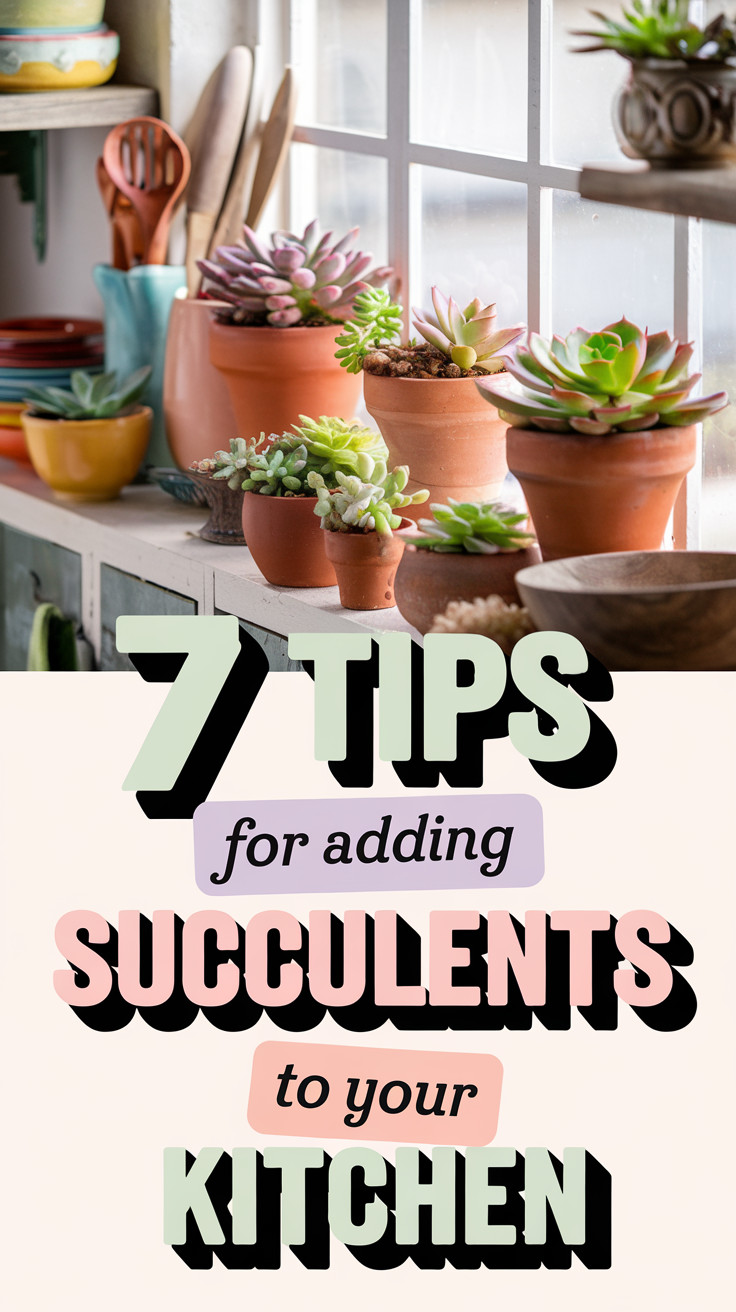
I’m a big fan of succulents – they’re low-maintenance, visually stunning, and add a natural touch to any space.
As the founder of Without The Cube, my interior design blog, I’ve incorporated these hardy plants into countless kitchens to create vibrant, modern looks.
Start with low-maintenance varieties like Aloe Vera and Echeveria that thrive in bright conditions. Choose durable containers with good drainage. Stagger heights and pot sizes for visual interest. Position plants near windows for ample sunlight. Colorful pots and herb companions elevate the design. Proper care is key – water precisely and inspect regularly.
Designing with Succulents: A Client’s Dream Kitchen
When a client wanted to revamp their dated kitchen, I knew succulents would be the perfect addition. By pairing lush Jade plants with sleek white planters, we achieved a balanced, nature-inspired aesthetic that complemented the modern cabinetry and subway tile.
The client was thrilled with the fresh, vibrant look we created together.
Choose the Right Succulents
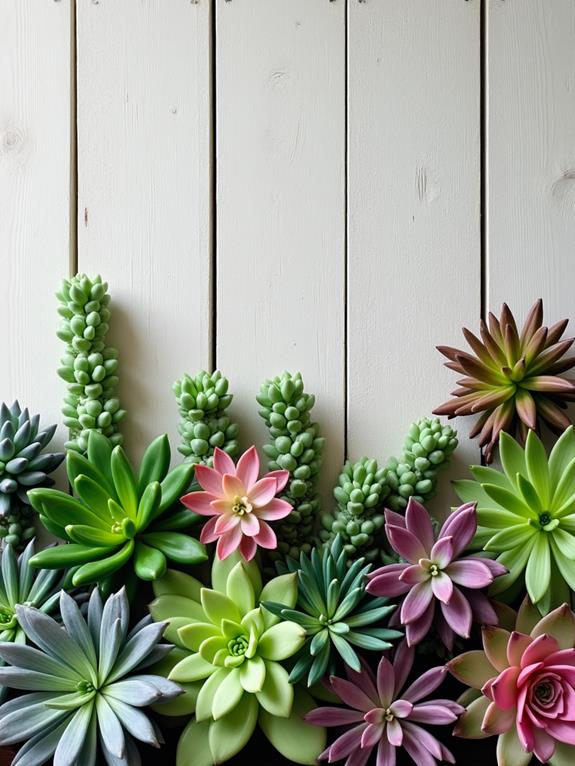
When it comes to choosing the right succulents for your kitchen, there are several key factors to take into account to assure they thrive in your space.
Opt for suitable varieties like Aloe Vera or Echeveria, as they require minimal maintenance.
Ensure you provide adequate light and implement maintenance tips, such as infrequent watering, to foster their growth and longevity in your kitchen environment.
Select Ideal Containers

After selecting the right succulents, it’s time to contemplate how to house them.
Choose container materials like terracotta, ceramic, or metal for durability and aesthetic appeal.
Guarantee adequate drainage solutions, such as pots with holes or adding gravel at the bottom, to prevent root rot.
The right containers not only enhance your kitchen’s style but also promote your succulents’ health and growth.
Create Layered Arrangements

Creating layered arrangements with your succulents can elevate the visual impact of your kitchen while showcasing the unique textures and colors of each plant.
Experiment with layering techniques like staggered heights and varied pot sizes to enhance depth.
Consider arrangement styles such as tiered displays or cascading formations, ensuring each succulent complements the others.
This approach not only maximizes space but also creates an eye-catching focal point.
Utilize Natural Light
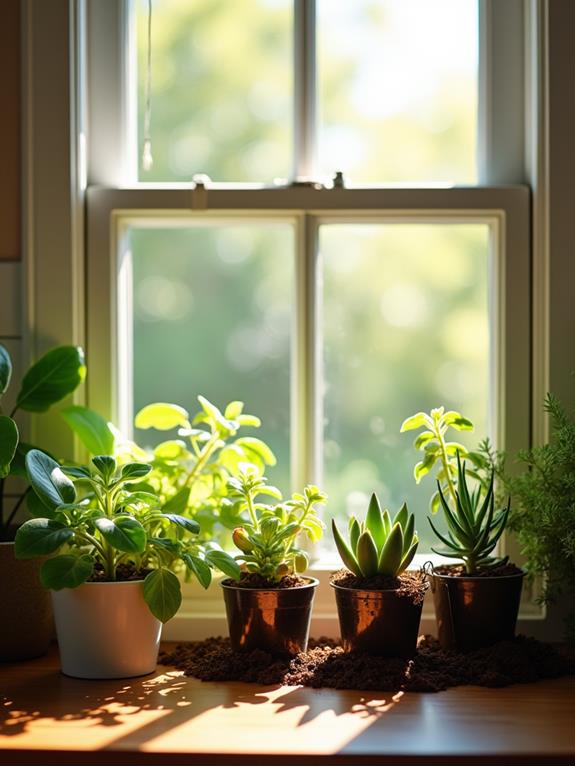
To make the most of your succulents in the kitchen, you should take advantage of natural light.
Position your plants near windows that receive ample light intensity, ensuring they get at least six hours of sunlight duration daily.
Monitor their response; too much direct sunlight can scorch leaves, while too little can stunt growth.
Adjust placement as needed to optimize their health.
Incorporate Colorful Pots
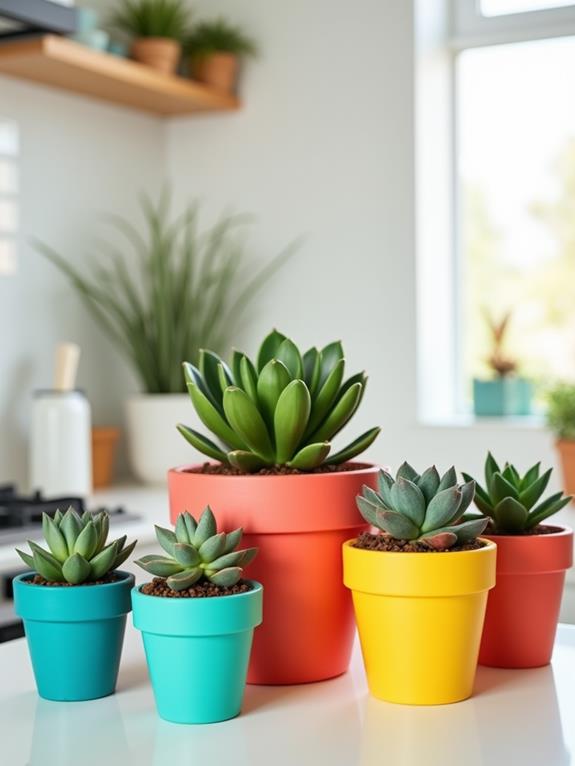
Adding colorful pots to your kitchen can greatly enhance the aesthetic appeal of your succulent arrangement.
A well-curated selection of pots can create a lively atmosphere that complements your kitchen’s bohemian vibe, making it a warm and inviting space.
Choose pot materials like ceramic, terracotta, or metal, as they offer durability and style.
Consider a cohesive color palette to tie your decor together, balancing vibrant hues with neutral tones.
This approach not only showcases your succulents but also elevates your kitchen’s overall design and ambiance, allowing you to enjoy a touch of nature indoors while embracing vibrant pots and greenery.
Mix With Other Plants
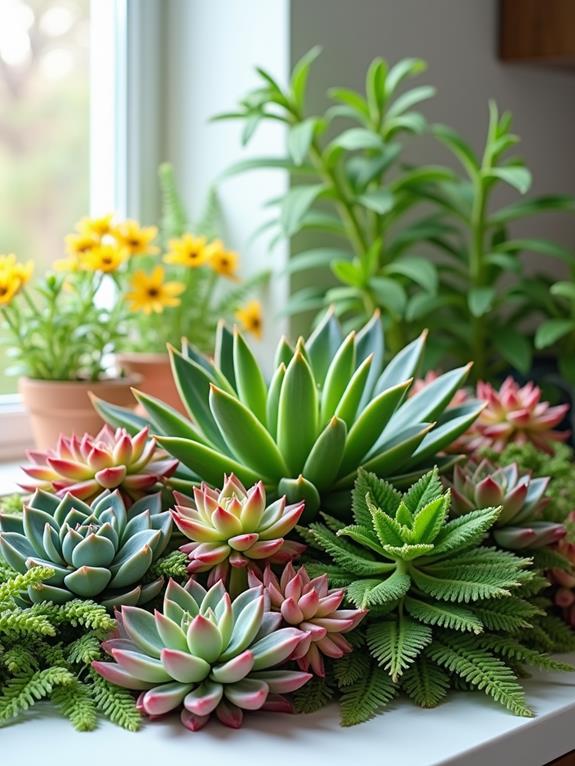
When you mix succulents with other plants, your kitchen can transform into a vibrant, dynamic space.
Combining various succulent varieties with leafy greens or colorful herbs creates striking contrasts.
Choose plant companions that share similar light and water requirements to guarantee harmony.
This innovative approach not only enhances aesthetics but also promotes a healthier kitchen environment, making your space inviting and functional.
Maintain Proper Care
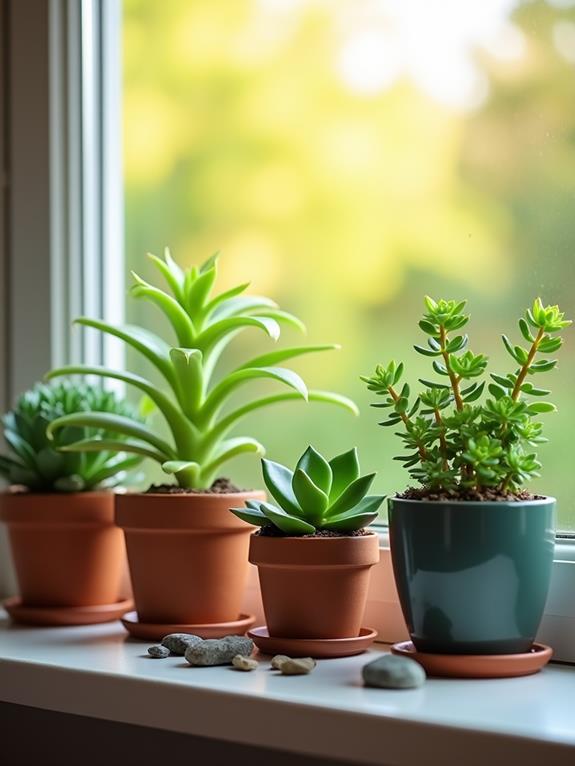
Maintaining proper care for your succulents in the kitchen is essential for their longevity and health.
Use precise watering techniques, allowing the soil to dry completely between sessions to prevent root rot.
Employ natural pest control methods, like neem oil or insecticidal soap, to keep unwanted insects at bay.
Regularly inspect your plants to guarantee they’re thriving in their unique kitchen environment.
A Kitchen Redesign Showcase With Before and After Photos

Before Photo: The kitchen felt stark and uninspired, with bland surfaces and minimal personality, leaving the client feeling disconnected and unmotivated.
By incorporating elements of nature, such as lush plants, you can create a biophilic kitchen that not only enhances aesthetic appeal but also improves overall well-being.
This approach aligns with our vision of cultivating spaces that foster joy, creativity, and connection, as seen in biophilic kitchen decor.
After Photo: Introducing vibrant succulents and bohemian decor transformed the space into a lively oasis, full of color, texture, and warmth.
This revitalized kitchen now embodies our philosophy at Without The Cube: creating spaces that foster joy, creativity, and connection.
Summary
Succulents in my kitchen not only look beautiful but also improve air quality. Studies show they reduce stress, making the space more inviting. I choose the right plants, use colorful pots, and care for them properly to create a vibrant environment.
What are your thoughts on adding succulents to your kitchen? I’d love to hear about your experience.
Please share this post on your favorite social media platforms to help our blog Without the Cube reach more readers. Your support is greatly appreciated!
Leave a Reply